
Modern Corporate Security: Practical Strategies for Decision Makers

In today’s unpredictable world, corporate security is about much more than locked doors and cameras. Recent events, such as the tragic events at a Manhattan office building back in July, have highlighted the growing importance of corporate security and the need for proactive measures. It’s a strategic discipline that blends layered protection, empowered teams, and smart technology. Here’s how leading organizations are raising the bar.
Layered Protection: More Than Meets the Eye
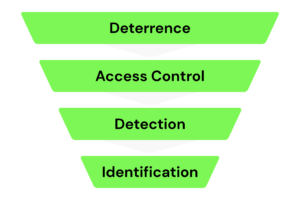
Security starts with a layered approach. Each layer plays a critical role in safeguarding people, property, and events. Here’s how to structure an effective security plan:
1. Outer Layer: Visible Deterrents and Drone Management
- The first line of defense includes visible deterrents such as security signage, strategic landscaping, and increasingly, security drones. Drones are now used for patrols and, unfortunately, hostile surveillance. To stay compliant and effective:
- Know local drone regulations before deployment.
- Establish clear policies for when to deploy, counter, or ignore drones, considering event type, battery limits, and backup plans.
2. Middle Layer: Access Control and Threat Screening
- The second layer focuses on controlling entry points:
- Implement weapon screening at entrances.
- Use strong physical barriers and effective line management.
- Consider AI-powered screening systems to detect concealed threats quickly and accurately.
Tip: Always pilot and test AI solutions before full-scale rollout to ensure reliability and compliance.
3. Inner Layer: Secure Access and Anti-Tailgating
- The innermost layer ensures robust access control:
- Prevent tailgating, where unauthorized individuals slip in behind others.
- Deploy biometric access systems for enhanced security.
- Stay compliant with privacy regulations like GDPR in Europe when using biometric data.
Key Takeaways for Modern Security
- Use layered security strategies for maximum protection.
- Combine physical deterrents, AI-powered screening, and biometric access.
- Always comply with local laws and test new technologies before implementation.
Risk Assessment and Technology
Threats are multi-dimensional and can emerge from unexpected directions. That’s why security doesn’t stop at the building’s edge. Regularly assess risks in parking lots, sidewalks, ride-share drop-offs, and executive routes. Use cameras, patrols, and lighting to monitor where people gather, enter, or exit. Conduct thorough threat and vulnerability assessments (TVRAs) to understand what you’re protecting against, close gaps, and deploy resources where they matter most.
AI systems can scan social media and online sources for possible threats, but technology should always augment, not replace, human judgment. AI can flag risky posts and comments, but trained personnel must review findings. Before adopting new tools, pilot them, check legal requirements, and seek honest feedback from other users. Effectiveness, ease of use, and customer support are crucial.
Empowering People and Practicing Response
People are the backbone of any security plan. Treating officers well and involving them in planning leads to stronger outcomes. Preparation is essential. Tabletop exercises and emergency drills reveal gaps in communication and procedures, ensuring everyone knows their role in a crisis. These practices cost little but are invaluable when it matters most.
Summary
The best security is about understanding your risks, layering defenses, empowering your people, and making technology work for you. Start with assessment, build layers, and practice your response. That’s how modern organizations stay resilient.


