
New Era for Northwestern:
Designing Security for the College Campus
How New Ryan Field’s modern fan experience for a complex, connected university environment can be used across the nation
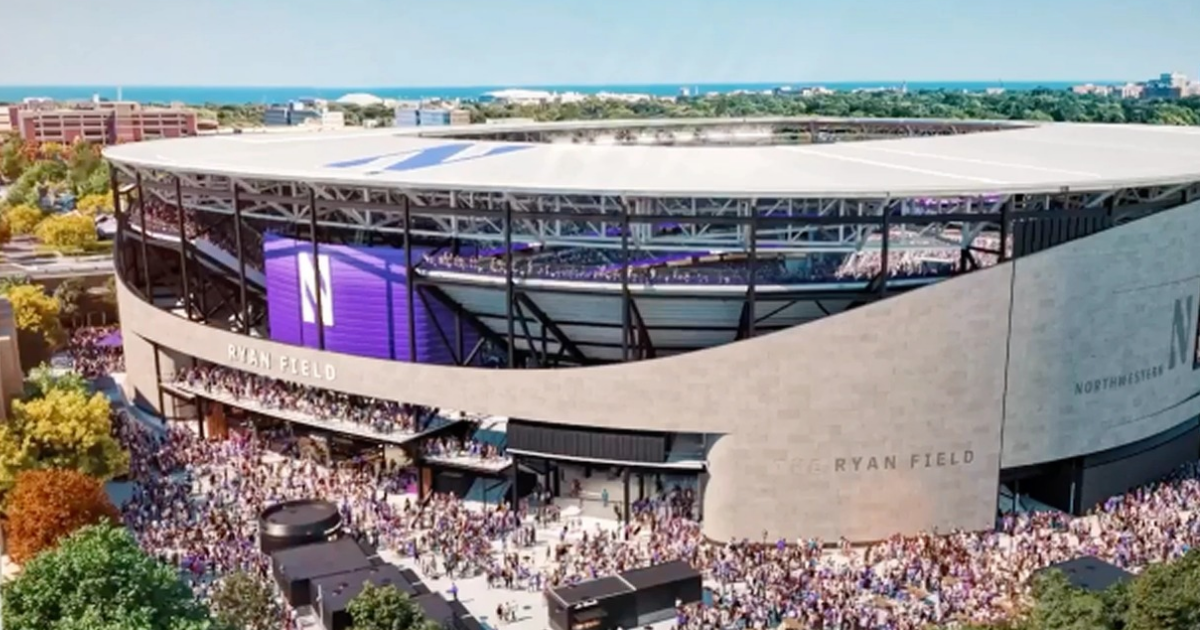
Last Friday marked the home opener at New Ryan Field, one of the most anticipated new venues for college athletics. But the 35,000-seat stadium was designed to be more than a place to watch football. The campus destination was built around fan experience, accessibility, sustainability, and year-round value for both Northwestern University and the Evanston community.
College stadiums are evolving beyond game-day venues into year-round campus destinations, requiring security leaders to think beyond the gate and protect a broader, more integrated campus ecosystem beyond perimeter control.
A Stadium Inside an Open Campus
Unlike many professional venues, a campus stadium sits within a community that cannot simply pause when gates open. Students may be walking home, faculty may be working, residents may be using nearby streets and green spaces, and other university activities may be underway. Security teams must establish a clear event perimeter without making the broader campus feel inaccessible or disconnected.
New Ryan Field: Security Designed into the Experience
New Ryan Field at Northwestern reflects the growing shift in higher education: stadiums are no longer designed solely for game day. With its more intimate capacity, highly accessible design, and nearly 200,000 square feet of surrounding festival grounds, the venue was built to serve students, alumni, families, neighbors and the broader Evanston community throughout the year. Modern college venues are increasingly expected to support a wide range of experiences, making security planning an important part of how those spaces function and feel.
For security leaders, that broader vision matters. The stadium is expected to support football as well as student gatherings and community events throughout the year. Screening therefore must fit multiple operating models, from a concentrated Saturday arrival to smaller public programs, while helping teams maintain consistent processes, clear communication, and a welcoming sense of place.
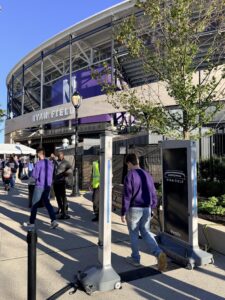
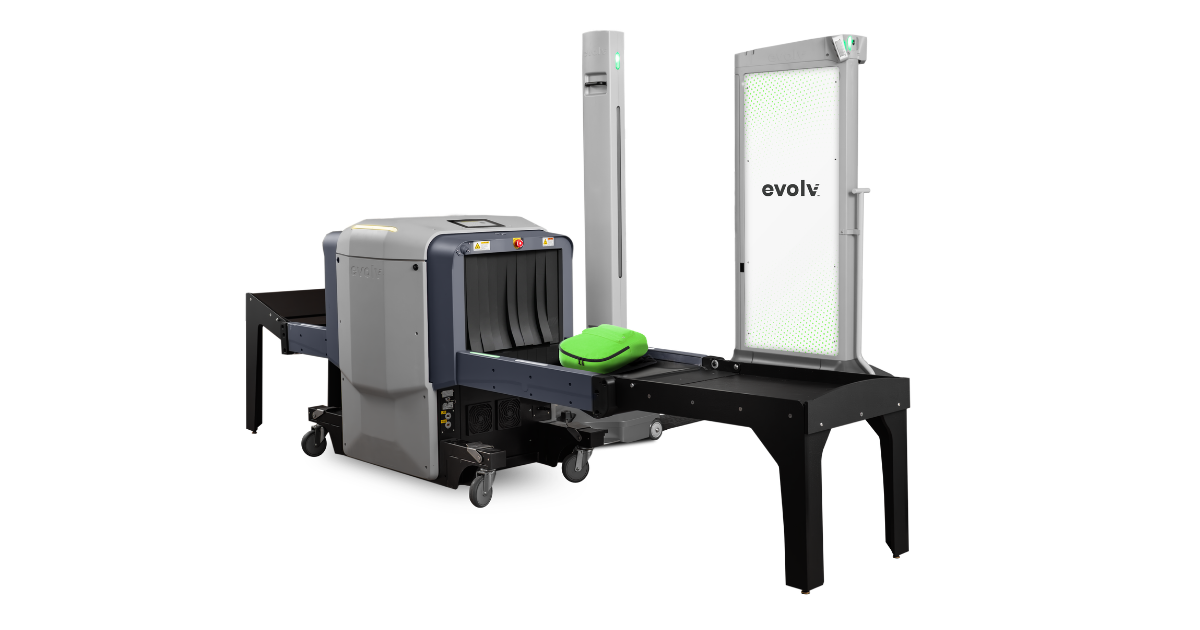
To support those goals, Northwestern selected 15 Evolv Express® Gen2 systems to support fan screening for New Ryan Field with the objective of helping create a welcoming and efficient fan experience.
Five Challenges That Make Campus Security Different
- An open, porous environment. Campus walkways and neighborhood streets serve daily life before becoming game-day arrival routes. Plans must define secure zones clearly without creating unnecessary friction across the campus surroundings.
- Many populations, many patterns. Students, alumni, families, visiting fans, staff, bands, recruits, vendors, and community members may use different gates and arrive at different times. Staffing and communications must reflect those distinct journeys.
- Multiple ways to arrive. Walking, biking, shuttles, rideshare, public transit, and limited parking disperse crowds across a wider footprint. Security planning must connect transportation decisions with pedestrian flow and screening capacity.
- A changing event workforce. College events often rely on university personnel, seasonal staff, contractors, and volunteers. Straightforward procedures and intuitive technology can help teams perform consistently despite changes in staffing and experience.
- A year-round community asset. Festival grounds, plazas, green spaces, and other public-facing areas may host activity outside the football season. Security must be adaptable enough to support different crowd sizes, event types, and operating boundaries.
A Campus-Wide Approach to Game Day
New Ryan Field offers a useful model for the next generation of college venues: security planned as part of the campus experience rather than added only at the stadium gate. By connecting screening with ticketing, transportation, staffing, communications, public-space management, and the rhythms of campus life, universities can create game days that feel both secure and uniquely their own.
The New Playbook: Monetizing Stadiums in NIL Era
The rise of Name, Image, and Likeness (NIL) is transforming college stadiums from game-day venues into year-round revenue engines.
As athletic departments face increasing financial pressure to support athlete compensation and remain competitive in recruiting. Schools are maximizing the use of their largest assets through concerts, corporate events, community programming, premium hospitality experiences, and brand activations. The result is a shift toward multi-purpose entertainment venues that generate new revenue streams while helping fund the future of college athletics.

VP, Professional Sports
John Baier serves as Vice President of Professional Sports and Entertainment. He is an experienced executive in the sports industry and provides a unique perspective understanding the needs and priorities of a ticketed venue. He brings a proven history of business development, customer success, strategic partnerships and organizational growth…all while being obsessed with the customer journey. John’s extensive knowledge and network in this vertical comes from having 20 years working with such organizations as Brooklyn Sports & Entertainment, the Brooklyn Nets, Barclays Center, New York Islanders and New Jersey Devils. John holds a Bachelor of Science in Marketing from Penn State University.


