
Beginners Guide to Weapons Detection
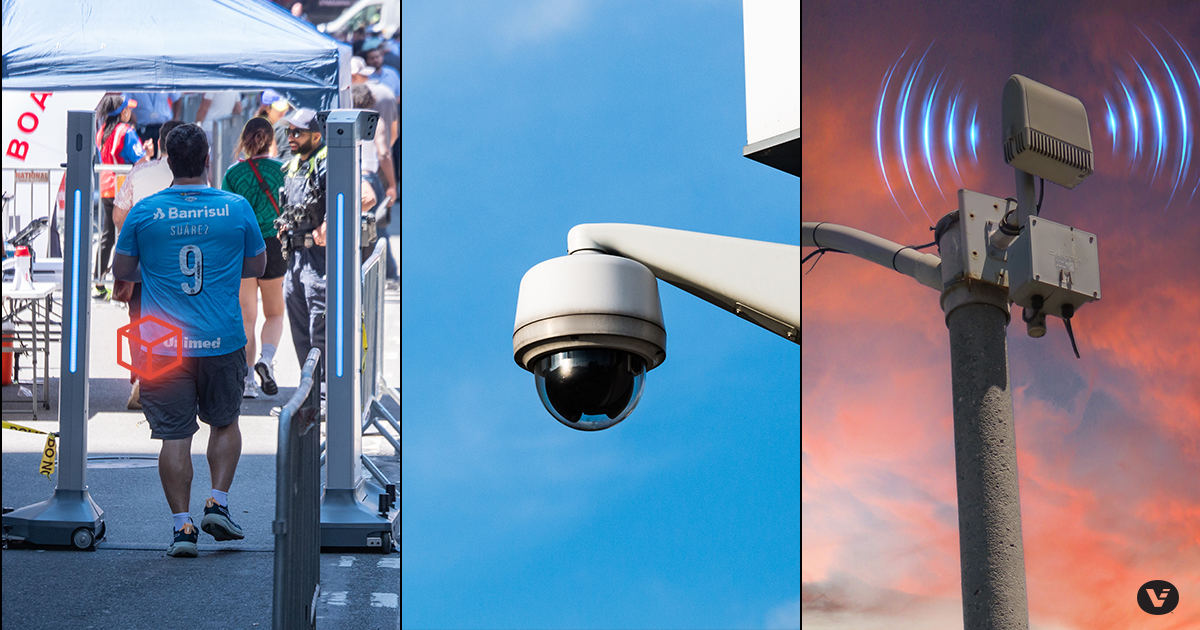
Investing in weapons detection technology is an important decision that requires thoughtful research and evaluation.
As the market grows, security leaders are presented with an increasing number of solutions designed to identify and respond to threats. Understanding the nuances between each type of technology is important to make an informed decision, but the information can be daunting to parse through.
This guide is meant to help you navigate the ins and outs of weapons detection by consolidating information on three core pillars of available technology.
Learning how these technologies work, and where they may fit within your security strategy, is the first step toward selecting the right solution for your environment.
The Three Types of Weapons Detection
Building a healthy security program is not about having every piece of tech on the market, but identifying what security needs you have, and implementing the solutions that allow you to address them most directly. Displayed below is a chart with three core types of popular weapons detection.
| Type | Detects |
| Concealed Weapons Detection | Hidden weapons on people or in bags |
| Visible Weapons Detection | Firearms visible on camera (usually focused on the outside of the facility) |
| Audible Weapons Detection | Gunshots and firearm discharges |
Let’s learn about each category and what may make the most sense for your team and your organization.
Concealed Weapons Detection
First, we’ll be covering concealed weapons detection. This category of security tech focuses on identifying potential threats upon entry. Think walk-through screening technology. These systems are typically deployed at entrances, checkpoints, and areas where visitors first arrive.
If you’re looking to help stop weapons from entering your buildings at the entrance point, concealed weapons solutions may be a good option for your organization to explore.
Within concealed weapons detection, there are a couple of distinct options.
Traditional Walk-Through Metal Detectors
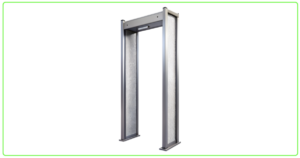
Metal detectors are a long-standing security solution that identify metallic objects carried by individuals. They’re now a highly effective legacy technology that has been in use since the 1960s. It’s easy to train operators on how to use them and they often require visitors to remove metal objects like phones, wallets, and keys before walking through.
Key Players
- CEIA
- Garrett Metal Detectors
AI-Powered Walk-Through Weapons Detection Systems
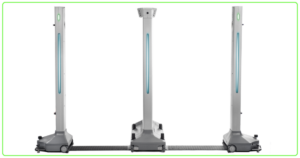
AI-based screening is another type of concealed weapons detection. Advanced sensors and machine learning are combined to identify potential weapons using context like shape and material. Many of these solutions also indicate the approximate location of the detected item, which helps the security teams conduct efficient secondary inspections.
Key Players
- Evolv Technology
- Athena Security
- MIS Security
- SoundThinking
- Xonar Technology
- XtractOne
AI-Powered X-Ray Bag Screening
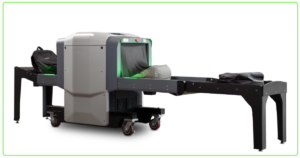
X-ray bag screening solutions are usually deployed complimentary to walk through screening systems and are used to inspect backpacks, purses, packages, and other belongings. These systems provide visibility into bag contents and help identify suspicious or prohibited items.
Key Players
- Evolv Technology
- Athena Security
- Leidos
- Linev Systems
- Rapiscan
- Smiths Detection
- Xonar Technology
Visual Weapons Detection

The second core category we’ll be dissecting is visual weapons detection. This category of technology, also known as brandished firearm detection, uses security cameras and artificial intelligence to identify firearms that are openly visible within a camera feed.
These solutions analyze video streams from locations such as entrances, hallways, common areas, and parking lots in real time. When a firearm is detected, security personnel can receive alerts that help them assess the situation and coordinate a response.
Unlike screening technologies, visible weapons detection cannot identify weapons concealed under clothing or inside bags. Instead, its value lies in providing early warning once a threat becomes visible.
If your organization is looking to streamline visible threat identification, this category of solutions could be valuable to learn more about.
Key Players
- Omnilert
- Scylla AI
- VOLT AI
- ZeroEyes
Acoustic Weapons Detection
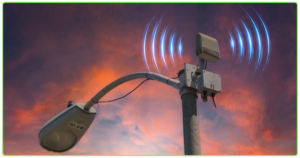
Lastly, we’ll dive into acoustic weapons detection. This technology identifies gunshots through audible analysis. Using strategically placed sensors, these systems listen for sounds that match the unique signature of a firearm discharge.
Gunshot Detection
When a gunshot is detected, these systems can immediately alert security teams and emergency responders. Many solutions can also estimate where the shot originated, providing valuable location intelligence during an active incident.
Unlike concealed or visible weapons detection technologies, audible systems activate after a weapon has already been fired. Their primary purpose is rapid notification and response coordination.
Key Players
- Shooter Detection Systems (SDS)
- SoundThinking
What is the Best Weapons Detection Solution?
One of the most common questions security leaders ask is, “What is the best weapons detection solution?”
The reality is that there is no universal answer.
The right solution depends on your organization’s:
- Facility Layout
- Goals
- Risk Profile
- Staffing model
- Visitor experience expectations
What Next?
Understanding the primary types of weapons detection can help security leaders better align technology investments with their specific security goals.
Whether your priority is preventing weapons from entering a facility, identifying active threats, or improving emergency response, selecting the right approach starts with understanding where each technology fits within the broader security strategy.


