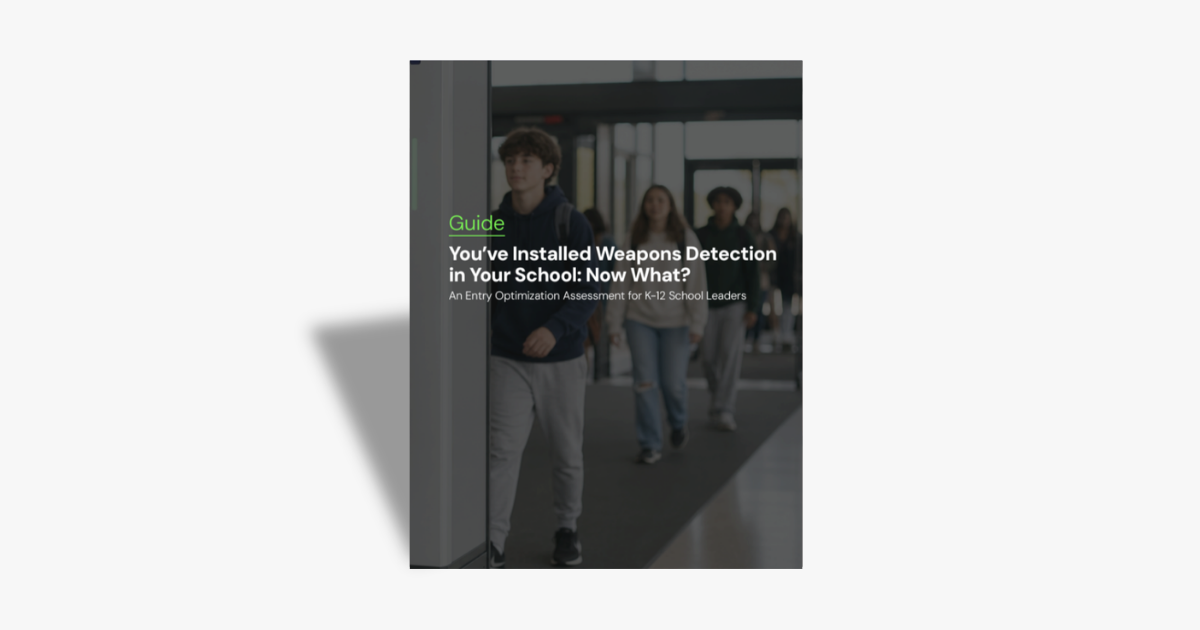
Is It Working? 3 Questions to Optimize Security Screening in Your School
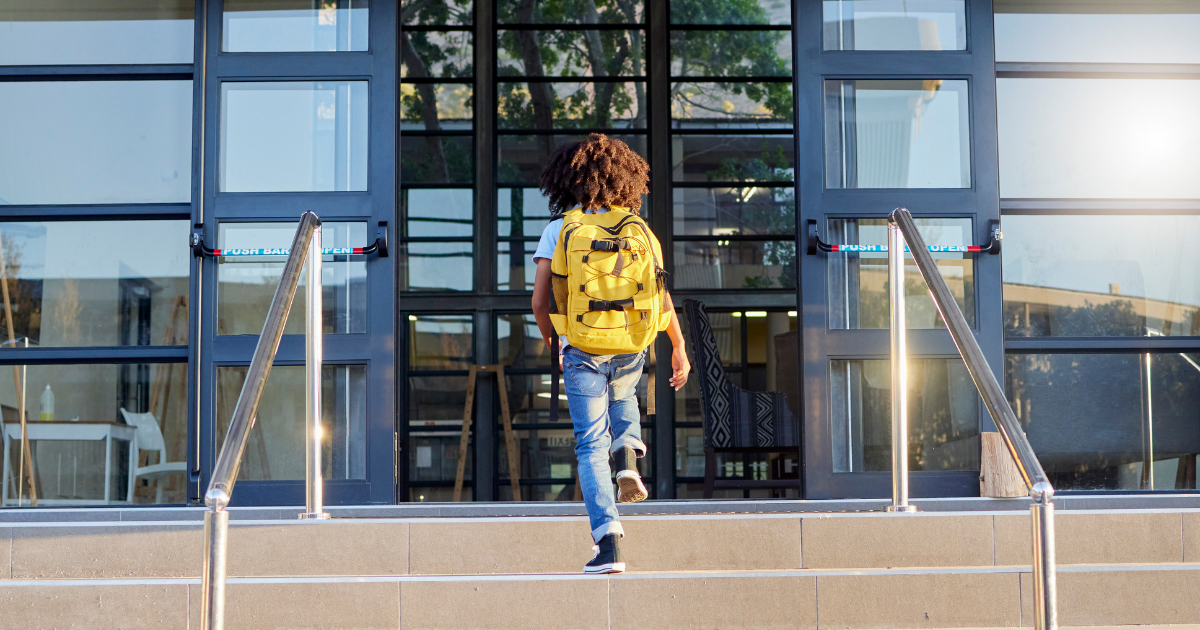
Even the best screening technology relies on strong day-to-day operations. As the school year progresses, here are three important questions to keep in mind.
Are Arrival Lines Moving as Expected?
Take a close look at what your screening system is alerting on. Is it helping security staff focus on potential threats, or is it creating unnecessary work by generating alerts on harmless everyday items such as phones, keys, backpack zippers, or other common metal objects?
It is also worth evaluating how much context your system provides when an alert occurs. The more information staff receive, the more efficiently they can determine what caused the alert and whether additional screening is necessary.
If morning lines are backing up, what items and situation are driving those delays?
Do Staff Know Exactly How to Respond to Alerts?
Screening efficiency is influenced by two factors: alert rates and secondary screening procedures.
Even if a system generates relatively few alerts, operations can still slow down if staff are unsure how to respond. For example, if an alert provides little information about where to search, personnel may spend valuable time conducting lengthy manual inspections.
There can also be challenges in determining who triggered an alert. If two students walk through closely together and staff cannot confidently identify which individual caused the alarm, both may need to undergo secondary screening. That doubles the workload.
Clear procedures, consistent training, and actionable alert information help staff respond quickly and confidently. When personnel know exactly what to do, lines move more efficiently and students spend less time waiting to enter school.
Are Backpacks Contributing to Alerts?
Backpack clutter is a common operational challenge during screening. Many students carry laptops, chargers, binders, water bottles, and other metal-containing items. Individually, these objects may not be a concern. However, when packed together, they can appear as a dense mass of metal that is difficult to interpret.
In some cases, those bags may generate additional alerts that require secondary screening, slowing down entry for everyone. For schools experiencing frequent bag-related alerts, it may be worth considering separate bag screening. X-ray technology is specifically designed to inspect bag contents and provide visibility inside backpacks. While some traditional X-ray systems can create throughput challenges, newer options are designed with speed and operational efficiency in mind.
Spartanburg School District Five provides an example of this approach in practice. At its high school, students move through screening while backpacks are screened separately. The result is an entry process that helps maintain flow while both people and bags receive thorough screening.
Continuous Improvement Matters
School security screening is not a “set it and forget it” initiative. The most successful programs regularly evaluate their processes and make adjustments throughout the year. These efforts helps students get to class on time while maintaining a strong focus on safety.